Dozzier News Dozzier News
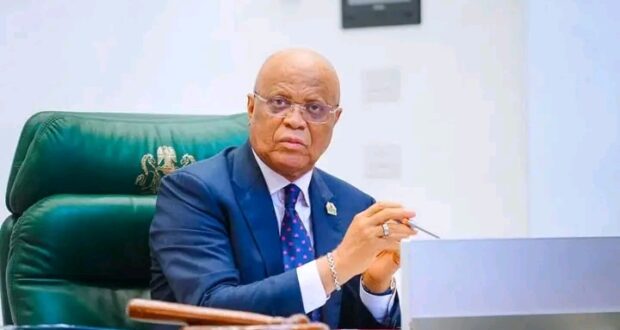
CRUISE FERRY BOATS: UMO ENO OPENS NEW WATERWAYS OF OPPORTUNITY BETWEEN CALABAR AND AKWA IBOM
(Series 025)
By Emmanuel Ndon
More than 70 percent of water transport capacity between Akwa Ibom and Cross River remains untapped. This makes the introduction of cruise ferry boats along the Calabar–Akwa Ibom route a refreshing step toward boosting transportation and economic growth—a practical effort by Governor Umo Eno to enable better use of the region’s waterways while offering a more enjoyable way to travel.
The cruise ferry project is designed to provide modern, well-equipped passenger boats that can transport people across waterways efficiently and comfortably. These boats are built to meet high safety and operational standards, ensuring reliability for daily use.
This initiative focuses on connecting coastal areas such as Oron in Akwa Ibom to Calabar in Cross River State. These routes have long been important for trade and interaction, but have not been fully utilized in recent times. By reviving water transport along this corridor, His Excellency is ensuring that the project brings new life to an already strategic route.
The ferry system is conceived to provide an alternative to road travel, which can often be time-consuming and stressful. With water transport, movement becomes smoother and in many cases faster, especially for people traveling between coastal communities.
Work on the cruise ferry boats continues to make steady progress, with multiple vessels being developed. These involves the development of modern passenger ferries designed to meet high standards of safety, efficiency, and comfort.
Alongside the boats, supporting infrastructure is also being developed to ensure smooth operations. This includes jetties, terminals, and docking facilities that will serve as entry and exit points for passengers.
The development of the ferry system involves collaboration with experienced institutions to ensure quality and safety. By working with established maritime partners such as the Nigerian Navy Naval Shipyard, local marine engineering firms, and private maritime logistics companies, the project benefits from technical expertise and professional standards.
When completed, the cruise ferry system will greatly improve movement between Akwa Ibom and Calabar, ensuring that regular travel more convenient for both business and personal purposes. Travelers will have access to a more direct and less stressful route, saving time and energy. This will make
Another major benefit of the project is its potential to boost tourism. Traveling by water offers a unique and refreshing experience that can attract visitors and create new interest in the region. For the local man, this means more opportunities to earn a living through small businesses such as food vending, boat services, tour guiding, and selling local crafts, thereby improving household income.
The ferry system will also create employment opportunities across different areas. From boat operators to maintenance crews and terminal staff, many roles will be needed to keep the system running. This helps provide livelihoods while also supporting the growth of the transport sector.
In addition, the project will support trade and commerce between connected regions. Goods can be moved more efficiently across waterways, making it easier for businesses to operate and expand. This improved flow of goods contributes to stronger economic activity.
The availability of water transport also helps reduce pressure on roads. With fewer vehicles needed for certain routes, road congestion can be eased and travel conditions improved, creating a more balanced transportation system overall.
The project also plays a great role in developing the blue economy by making better use of water resources. It opens up new possibilities for economic activities linked to waterways, including transport, tourism, and related services.
The cruise ferry boats represent more than just a means of transportation. They are part of a compound effort to improve connectivity, support economic growth, and create new experiences for people. They show how thoughtful use of existing resources can lead to meaningful development, reinforcing the administration’s dedication to improving everyday life.
As the project continues to take shape, it stands as a clear representation of Governor Umo Eno’s purposeful and visionary leadership. His commitment to practical development is evident in the way this initiative is being driven with focus, coordination, and a deep understanding of the needs of the people.