Dozzier News Dozzier News
Akwa Ibom State is one of the states in Nigeria that is highly endowed and rich in natural resources. These natural gifts have, in recent times, received little or no attention from the government, while the majority of the people are unaware of their existence apart from crude oil.
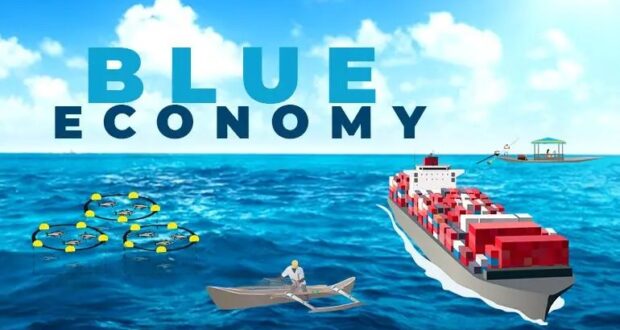
These wonderful gifts of nature are embedded in the ecosystem and can be exploited or utilized by humans for growth, development, wealth creation, human consumption, and commercial purposes.To further appreciate this subject, it is pertinent to contextually examine the meaning of the Blue Economy in Nigeria, which refers to the sustainable use of oceans, seas, rivers, and other aquatic resources for economic growth, improved livelihoods, job creation, and environmental sustainability. It focuses on using Nigeria’s marine and water resources responsibly while protecting aquatic ecosystems for future generations.
Recently, Nigeria strengthened its attention to the Blue Economy with the creation of the Federal Ministry of Marine and Blue Economy in 2023. However, little or no attention has been directed toward states with rich blue economic ecosystems, such as Akwa Ibom State, to establish agencies, provide protection, and enact laws that can sustain the ecosystem for maximum economic benefits.Available information from stakeholders in the sector indicates that the Blue Economy in Akwa Ibom State is rich and comprises several sectors, including maritime transportation and shipping, fisheries and aquaculture, offshore oil and gas resources, tourism and recreation, marine biotechnology, renewable ocean energy, coastal and environmental management, and inland waterways development.Like many other states in the federation, Akwa Ibom State is largely regarded as a civil service state because a greater percentage of its citizens rely mainly on civil service jobs and other menial occupations for their livelihood. If the government, stakeholders, marine engineers, and relevant organizations direct adequate attention to this enormous wealth, which spans across various areas of aquatic development through exploration, development, utilization, and investment, the issue of unemployment among citizens would be greatly reduced. At the same time, the revenue base of the state would increase, thereby transforming Akwa Ibom into an industrial hub in relation to aquatic, marine, and water-related development.
There are several challenges that need to be addressed, but they cannot be tackled by individuals alone. With its constitutional powers, the state government, in collaboration with the federal government and other industry players, can enforce safety standards, minimize marine pollution, combat illegal fishing, piracy, and insecurity, improve infrastructure, strengthen policy implementation, increase investment and technology, and monitor climate change for the overall benefit and well-being of the citizenry.Akwa Ibom State possesses vast marine and aquatic resources that can significantly drive economic development if properly managed.
These resources can create job opportunities for the teeming population and attract investors to the state. The Blue Economy promotes the sustainable exploitation of these resources while preserving the environment for future generations.