Dozzier News Dozzier News
By Emmanuel Ndon
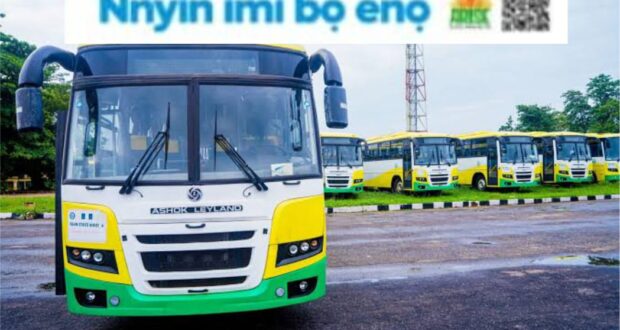
Under the leadership of Governor Umo Eno, Akwa Ibom State is set to upgrade its public transport system with the procurement of 50 compressed natural gas (CNG)-powered mass transit buses. The initiative is part of an expansive plan to provide residents with a safer, more reliable and affordable means of transportation across the state.
The buses are scheduled to begin arriving from April 2026 and will operate from the Ibom CNG Mass Transit Terminal at Ikot Akpe Offot in Uyo. This terminal will serve as the central hub for an organized bus network designed to connect major towns and all 31 local government areas.
The transport model introduces order to a system that has long depended on informal operators. With designated routes, scheduled services and a centralized terminal, the new buses are expected to reduce delays and overcrowding for daily commuters. The system will also adopt cashless payment options, allowing passengers to use transport cards or digital methods, which improves speed, transparency and accountability.
For residents, the benefits are immediate. Commuters who rely on irregular transport options will have access to more predictable services. Travel between Uyo, Eket, Ikot Ekpene, Oron and other areas becomes more organized, reducing waiting time and improving safety. For workers, students and small business owners, this translates into better time management.
Affordability is a key component of the project. By operating as a public-led system, the state is positioned to regulate fares and keep them within reach of low- and middle-income earners. This helps reduce the financial burden of transportation, which is a significant part of household expenses for many residents.
The environmental impact is another important consideration. CNG-powered buses produce fewer emissions compared to traditional diesel vehicles and this contributes to cleaner air in urban areas. Over time, this supports public health while also reducing operating costs associated with fuel consumption.
The project also stimulates economic activity. The operation of the buses and the terminal creates jobs for drivers, technicians, administrators and support staff. Additional opportunities emerge for local businesses involved in maintenance, supply and service delivery around the transport network.
As the state expands and improves its road network, the availability of structured mass transit ensures that these roads are used more efficiently. It also strengthens connections between rural and urban areas.
Mobility is a critical part of economic and social activity and improving it has lasting effects on productivity and quality of life. Within the ARISE Agenda, the CNG bus project reflects a broader commitment to modern infrastructure that directly impacts daily life.
For many residents, this will stand as a remarkable improvement in how they move within the state.
The procurement of the 50 CNG buses reflects Governor Umo Eno’s thoughtful leadership and marks the beginning of a more modern transport system in Akwa Ibom—one that combines efficiency, affordability and sustainability to meet the needs of a growing population.