Dozzier News Dozzier News
By Mabel Ekanem
The Energy and Maritime Reporters of Nigeria (EMR), Akwa Ibom State Branch, has called for stronger collaboration among security agencies to secure Nigeria’s maritime domain while urging journalists covering the energy and maritime sectors to uphold professionalism, ethical reporting, and safety consciousness.
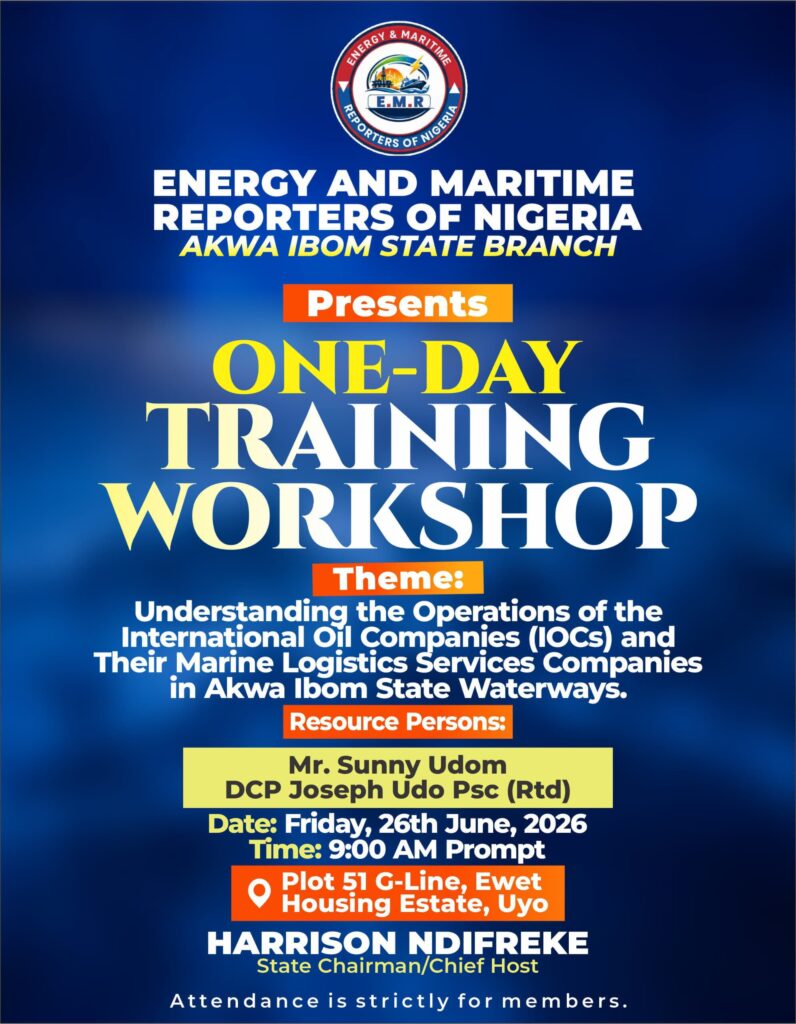
The call formed part of the resolutions reached at the end of a one-day training workshop organised by the association in Uyo under the theme, “Understanding the Operations of International Oil Companies (IOCs) and Their Marine Logistics Service Companies in Akwa Ibom State Waterways.”
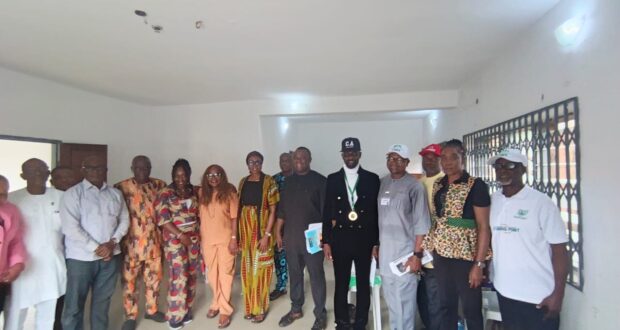
The workshop brought together journalists, media practitioners, security experts, and stakeholders in the energy and maritime sectors to deepen participants’ understanding of the operations of International Oil Companies, marine logistics services, maritime security, and the safety of journalists covering offshore activities.
Delivering a presentation on the operations of International Oil Companies and marine logistics services, Mr. Sunny Udom underscored the vital role of marine logistics in sustaining offshore oil and gas operations through the movement of personnel, equipment, and essential supplies.
Also speaking, retired Deputy Commissioner of Police, Joseph A. Udoh, psc, highlighted the security challenges confronting Akwa Ibom waterways and advised journalists to prioritise their safety by obtaining the necessary authorisations, conducting risk assessments, and complying strictly with established maritime safety and security protocols while on assignment.
According to the communiqué issued at the end of the workshop, participants observed that International Oil Companies remain critical contributors to Nigeria’s economy through investment, employment generation, and revenue creation, while Akwa Ibom State’s strategic coastline and offshore resources position it as a potential hub for marine logistics and energy services in Nigeria and the West African sub-region.
The participants also noted that despite the enormous opportunities within the sector, maritime crimes—including piracy, crude oil theft, kidnapping, pipeline vandalism, and smuggling—continue to threaten offshore operations and national
economic assets.
They stressed that accurate, balanced, and ethical journalism is indispensable for promoting transparency, accountability, investor confidence, and public understanding of developments in the energy and maritime industries.
The workshop further emphasised the importance of environmental sustainability, effective oil spill response, pollution prevention, and meaningful engagement with host communities as key responsibilities of operators within the oil and gas industry.
Among its resolutions, the workshop urged governments at all levels to invest in marine infrastructure and implement policies that would encourage indigenous participation, create employment opportunities, and stimulate private sector investment.
Participants also called on the Federal Government to strengthen maritime security through improved collaboration among the Nigerian Navy, Nigeria Police Force, Nigerian Maritime Administration and Safety Agency (NIMASA), Nigeria Security and Civil Defence Corps (NSCDC), Department of State Services (DSS), Nigerian Ports Authority (NPA), and other relevant agencies.
The workshop further urged International Oil Companies and marine logistics service providers to strengthen engagement with host communities while promoting environmental sustainability and expanding their corporate social responsibility initiatives.
For media practitioners, participants recommended continuous professional development to improve the quality, accuracy, and depth of reportage, while cautioning journalists against publishing sensitive operational information capable of compromising national security or ongoing security operations.
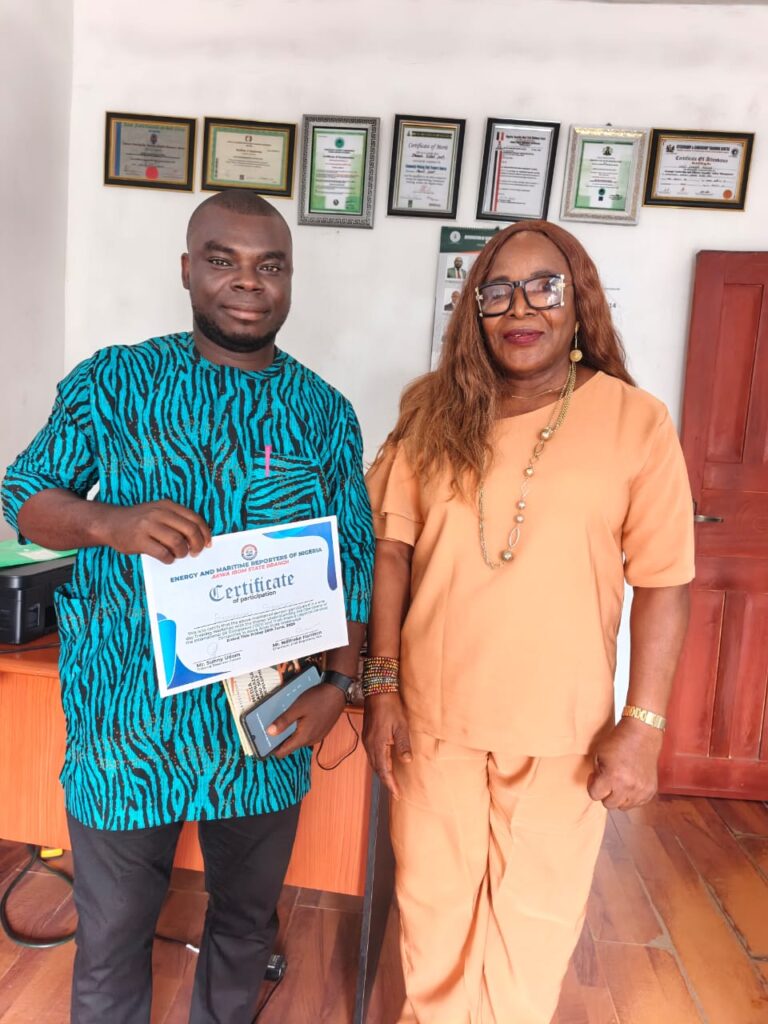
The participants commended the Executive Committee of the Energy and Maritime Reporters of Nigeria, Akwa Ibom State Branch, led by Comrade Harrison Ndifreke, for organising what they described as a timely and impactful capacity-building programme. They also expressed appreciation to the resource persons for equipping participants with practical knowledge and insights to enhance reporting in the energy and maritime sectors.
The workshop concluded with a renewed commitment by participants to uphold professionalism, ethical journalism, safety consciousness, and responsible reporting in support of the sustainable development, security, and economic prosperity of Akwa Ibom State and Nigeria.