Dozzier News Dozzier News
Uyo – The Energy and Maritime Reporters of Nigeria (EMR), Akwa Ibom State Branch, has intensified calls for the establishment of a Ministry of Marine and Blue Economy in Akwa Ibom State, describing the move as a critical institutional framework needed to unlock the state’s vast maritime potential, diversify the economy, create jobs, and attract strategic investments.
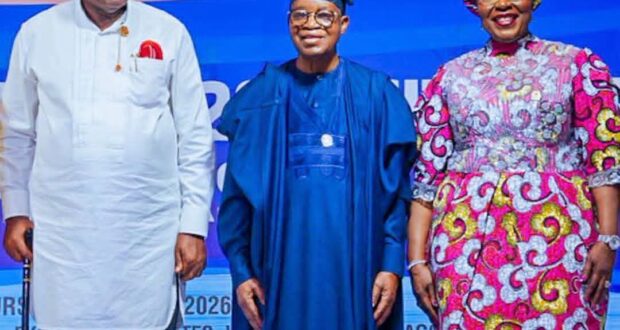
The association made the call while congratulating the Governor of Akwa Ibom State, Pastor Umo Eno, PhD, for aligning the state with the Federal Government’s marine and blue economy agenda through his participation in the Second Quarter 2026 Citizens/Stakeholders’ Engagement organised by the Federal Ministry of Marine and Blue Economy in Lagos. The governor was represented at the event by the Deputy Governor, Senator Akon Eyakenyi.
The high-level engagement, themed “From Policy to Action: Mobilising Sub-National Governments for Effective Implementation of Nigeria’s National Policy on Marine and Blue Economy,” brought together federal and state government officials, maritime administrators, policymakers, industry experts, investors, academics, and other stakeholders to develop practical strategies for implementing Nigeria’s National Policy on Marine and Blue Economy at the sub-national level.

EMR described Governor Umo Eno’s participation in the engagement as a demonstration of his administration’s commitment to positioning Akwa Ibom to benefit from the enormous opportunities within the nation’s rapidly evolving blue economy sector.
The association equally commended President Asiwaju Bola Ahmed Tinubu, GCFR, for creating the Federal Ministry of Marine and Blue Economy, describing the ministry as one of the administration’s most strategic economic reforms aimed at diversifying Nigeria’s economy beyond oil, strengthening the maritime sector, promoting sustainable management of marine resources, and expanding opportunities in shipping, fisheries, aquaculture, tourism, renewable ocean energy, coastal development, marine biotechnology, and maritime trade.
According to EMR, while the Federal Government has provided national policy direction through the establishment of the Federal Ministry of Marine and Blue Economy, the full benefits of the policy can only be realised if coastal states establish corresponding institutional structures to drive implementation at the state level.
The association therefore urged Governor Umo Eno to take what it described as “the next logical and strategic step” by creating a Ministry of Marine and Blue Economy in Akwa Ibom State.
EMR stated that such a ministry would serve as the central coordinating institution for all blue economy-related programmes and policies, ensuring effective planning, regulation, inter-agency collaboration, investment promotion, and sustainable utilisation of the state’s extensive marine and coastal resources.
According to the association, the proposed ministry would be responsible for developing state-specific blue economy policies that align with the National Policy on Marine and Blue Economy while addressing Akwa Ibom’s unique environmental, economic, and geographical realities. It would also facilitate collaboration with the Federal Ministry of Marine and Blue Economy, development partners, international organisations, private investors, research institutions, and coastal communities.
EMR maintained that the establishment of the ministry would significantly improve policy coordination across critical sectors including ports development, fisheries and aquaculture, maritime transport, coastal tourism, environmental conservation, marine security, offshore renewable energy, logistics, shipbuilding and repairs, and maritime training and capacity development.
The association further noted that recommendations emerging from the stakeholders’ engagement provide a practical roadmap for state governments seeking to maximise the benefits of the blue economy. These recommendations include establishing dedicated ministries or agencies with sufficient political authority and financial resources, enacting state blue economy laws that align with the National Policy while reflecting local priorities, mapping and securing maritime domains, strengthening environmental protection, and promoting sustainable exploitation of marine resources.
EMR stressed that adopting these recommendations would enable Akwa Ibom to become one of Nigeria’s foremost blue economy destinations.
The association argued that few states are better positioned than Akwa Ibom to take advantage of the opportunities within the blue economy. It cited the state’s extensive Atlantic coastline, rich fisheries resources, numerous rivers and estuaries, strategic oil and gas infrastructure, expanding maritime activities, and the proposed Ibom Deep Seaport as strong comparative advantages that should be supported by a dedicated ministry.
According to EMR, the proposed Ibom Deep Seaport alone has the potential to transform Akwa Ibom into a major maritime logistics and international trade hub. However, the association noted that maximising the benefits of such a strategic project requires a specialised ministry that can coordinate investment, infrastructure development, policy implementation, environmental sustainability, and stakeholder engagement.
The association also applauded the Federal Government’s efforts to deepen collaboration with sub-national governments in implementing the National Policy on Marine and Blue Economy, noting that stronger federal-state partnerships will be essential for achieving long-term economic transformation and sustainable development.
EMR emphasised that establishing a Ministry of Marine and Blue Economy would not merely amount to creating another government institution but would represent a strategic investment in the future of Akwa Ibom State. The association explained that such a ministry would create an enabling environment for local and foreign investment, stimulate industrial growth, expand employment opportunities for young people, increase internally generated revenue, enhance coastal community development, improve environmental governance, and strengthen Akwa Ibom’s competitiveness within Nigeria’s maritime economy.
The association further maintained that a dedicated ministry would position the state to effectively access federal programmes, international funding opportunities, technical assistance, and development partnerships specifically targeted at blue economy initiatives.
In a statement jointly signed by the State Chairman of the Energy and Maritime Reporters of Nigeria (EMR), Mr. Harrison Ndifreke, and the State Secretary, comrade Mabel Ekanem, the association reaffirmed its commitment to promoting policies and initiatives that will accelerate the development of the marine and blue economy in Akwa Ibom State.
The statement congratulated Governor Umo Eno for embracing the Federal Government’s marine and blue economy agenda and urged him to consolidate that commitment by establishing the Akwa Ibom State Ministry of Marine and Blue Economy.
According to the association, creating the ministry would provide the institutional leadership required to drive economic diversification, promote sustainable development of the state’s vast maritime assets, create thousands of direct and indirect jobs, attract domestic and foreign investment, support the successful implementation of the Ibom Deep Seaport project, and position Akwa Ibom as Nigeria’s leading blue economy hub.
EMR concluded that with the right political will and institutional framework, Akwa Ibom possesses all the natural, economic, and strategic advantages required to become a model for blue economy development in Nigeria, making the establishment of a Ministry of Marine and Blue Economy not only timely but essential for the state’s long-term economic prosperity.