By Mabel Ekanem
Akwa Ibom State has joined the Federal Government’s drive to expand access to clean cooking energy and promote grassroots economic empowerment, with 3,000 women in the state receiving N100,000 each under the National Grassroots Liquefied Petroleum Gas (LPG) Penetration Programme.
The programme was activated in Uyo on Thursday, August 20, 2026, as part of the Federal Government’s broader efforts under President Bola Ahmed Tinubu’s Renewed Hope Agenda and the Decade of Gas Programme to deepen domestic gas utilisation, promote clean cooking and improve household livelihoods.
The intervention, which translates to a total of N300 million in direct financial support to beneficiaries, combines clean-energy promotion with economic empowerment, particularly for women who play critical roles in household management, small businesses and community development.
Speaking at the event, the Minister of State for Gas, Obong Emem Ekperikpe Ekpo, said the Federal Government was committed to moving Nigerian households away from traditional cooking fuels such as firewood, charcoal and kerosene to LPG, which he described as a cleaner, safer and more efficient energy source.

According to him, the programme is designed not only to encourage clean cooking but also to ensure that Nigerians derive greater economic benefits from the country’s abundant gas resources.
He disclosed that the Federal Government was targeting all 36 states under the initiative, with an ambition to reach one million households annually and five million homes by 2030.
The Minister explained that the N100,000 grant to each of the 3,000 women in Akwa Ibom was deliberately incorporated into the programme to strengthen their businesses, increase household incomes and enhance their capacity to contribute to the development of their families and communities.
Ekperikpe Ekpo described the Uyo activation as a landmark event and the second national LPG penetration activation, following the inaugural programme in Bayelsa State on July 28, 2026.
He called on stakeholders, development partners, financial institutions, civil society organisations and the media to take ownership of the initiative and ensure that it translates from government policy into tangible benefits for households and communities.
LPG Drive Targets Cleaner, Healthier Homes
The Federal Government’s push for increased LPG adoption comes against the backdrop of growing concerns over the health and environmental consequences of continued dependence on firewood and charcoal for cooking.
For many low-income and rural households, traditional cooking fuels remain a daily necessity. Prolonged exposure to smoke and other pollutants from such fuels can affect household health, while increased dependence on firewood contributes to pressure on forests and other natural resources.
The LPG programme therefore provides an opportunity to tackle clean-energy and economic challenges simultaneously by improving household living conditions while creating a stronger domestic market for Nigeria’s gas resources.
When properly implemented, the initiative could also stimulate new opportunities in LPG distribution, transportation, storage, retailing and other areas of the clean-energy value chain.

Eno: Akwa Ibom Ready for Gas Investment
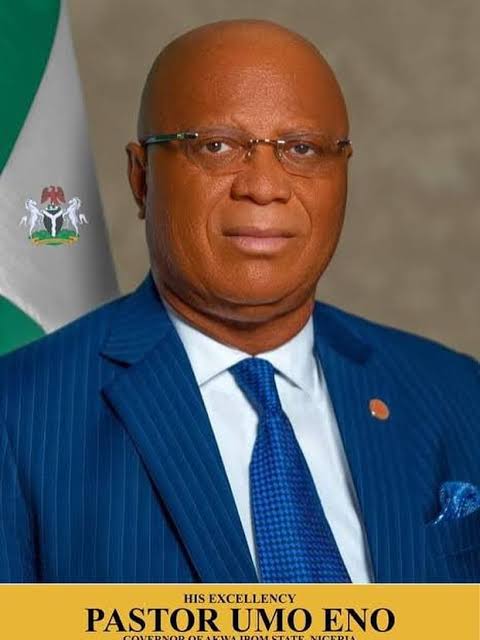
Governor Umo Eno expressed appreciation to the Federal Government for bringing the programme to Akwa Ibom, describing the initiative as a practical intervention capable of improving livelihoods, protecting the environment and promoting better health outcomes.
The Governor said the programme represented hope for the people and aligned with his administration’s people-centred development agenda.
Eno also declared that Akwa Ibom was “ready for business”, urging investors to explore opportunities in the state’s gas sector.
He stressed that gas should not be regarded merely as a commodity but as a catalyst for job creation, enterprise development and sustainable economic growth.
The Governor’s position underscores the need for Akwa Ibom to move beyond the traditional approach of viewing oil and gas primarily as sources of government revenue and instead develop an economy in which its natural resources generate businesses, industries, jobs and opportunities for citizens.
With its established position in Nigeria’s oil and gas industry, Akwa Ibom has significant potential to deepen its participation in the gas value chain through investments in gas processing, LPG distribution, transportation, storage, clean-cooking solutions and related industries.

Such investments could create opportunities for young people, women, indigenous businesses and entrepreneurs while strengthening the state’s economic base.
Women at the Centre of Economic Empowerment
The empowerment of 3,000 women adds a significant human-development dimension to the LPG intervention.
Rather than treating women merely as recipients of social support, the programme recognises their potential as economic actors whose ability to grow businesses and generate income can directly influence the welfare of their families and communities.
A woman who receives support to expand her business can increase household income, contribute to children’s education, improve family nutrition and strengthen the economic resilience of her home.
Governor Eno further disclosed that his administration would, in October, empower 300 women in each of the 369 wards across the state through women’s cooperatives.
According to him, beneficiaries of the proposed state empowerment programme have already been identified and profiled.
The combination of Federal Government intervention and the state’s own empowerment initiatives could provide a stronger foundation for inclusive economic development if the programmes are properly implemented, monitored and sustained.
From Gas Wealth to Human Prosperity
The Uyo activation has also renewed attention on the broader question of how Akwa Ibom can convert its considerable oil and gas resources into broad-based prosperity.
For a resource-rich state, the true measure of development should not be limited to the volume of natural resources extracted but should also reflect how those resources improve the lives of ordinary citizens.
This requires creating an environment where gas can power industries, support small and medium-scale enterprises, provide employment, promote cleaner cooking and attract investment across the state.
It also requires ensuring that indigenous entrepreneurs are adequately positioned to participate in the emerging gas economy.
Women and young people, in particular, need access to finance, technical skills, technology, markets and business support to participate meaningfully in the expanding clean-energy value chain.
A New Opportunity for Akwa Ibom
The National Grassroots LPG Penetration Programme presents Akwa Ibom with an opportunity to accelerate its clean-energy transition while strengthening household incomes and human capital.
However, the real test of the initiative will be its sustainability beyond the launch and distribution of grants and equipment.
Beneficiaries must be supported to continue using clean energy, grow their businesses and take advantage of opportunities emerging from the expanding gas sector.
Government agencies, financial institutions, private investors, development partners and community organisations therefore have important roles to play in ensuring that the programme produces lasting results.
The Uyo activation has demonstrated that gas development can be connected directly to the lives of ordinary Nigerians.
For Akwa Ibom, the message is clear: its gas resources can become more than an economic asset. They can provide a pathway to cleaner homes, healthier families, empowered women, thriving businesses, new jobs and sustainable economic growth.
The challenge now is to transform the momentum generated by the programme into sustained action that places people at the centre of the state’s energy and economic transformation.
If effectively harnessed, Akwa Ibom’s gas resources could become a powerful pillar of its journey towards a diversified and inclusive economy, one in which the benefits of the state’s natural wealth are increasingly felt not only by government and investors, but by the people themselves